
Come Chat with Coffee and Cake @ Cary Lodge
We are supporting Dementia UK!


Looking after someone with dementia often means paying close attention to everyday habits, and one of the easiest to overlook is whether they are drinking enough.
Hydration in dementia can become difficult because people may forget to drink, lose their sense of thirst, or struggle to recognise a drink placed in front of them. This guide explains why those changes happen, shares practical hydration tips that families can try at home, and outlines the signs of dehydration to watch for. It also points to when it may be worth seeking advice from a GP, or from trusted organisations such as Alzheimer's Society or Dementia UK.
Many families notice that a loved one living with dementia begins to drink less. It is a common concern, and you are not alone in experiencing it.
There are several reasons why staying hydrated can become more of a challenge. Memory changes often mean a person forgets to drink entirely. They may not remember when they last had a drink, or may not register that they need one. Some people also experience a reduced sense of thirst, so the body's usual signals simply are not as clear.
Visual and recognition changes can also affect drinking. Someone might not recognise that a clear glass contains water, or may not understand that it is there to be consumed. Using a brightly coloured cup, or a familiar favourite mug, can make a real difference in these moments.
Physical changes play a role too. Dementia can affect coordination, making it harder to hold or lift a cup. As the condition progresses, some people develop swallowing difficulties, known as dysphagia, which can make drinking uncomfortable or unsafe without the right support.
Because of all of this, hydration in dementia often depends on gentle routines, visible drinks, and quiet prompts throughout the day.
Recognising the signs of dehydration early can help families act before things become more serious. Common signs include:
It is also worth knowing that dehydration can contribute to problems that may not seem related to fluid intake at first glance. Low fluid levels can lead to urinary tract infections, constipation and episodes of delirium, all of which may cause sudden changes in confusion or behaviour that can be difficult to trace back to drinking.
Dehydration can also increase the risk of falls, so dizziness, weakness or unusual fatigue are worth taking seriously.
When to seek urgent help. If someone appears severely dehydrated, contact a GP or call NHS 111 promptly. Seek urgent advice if you notice significant confusion or disorientation, extreme drowsiness, fast breathing, a rapid heart rate, or dizziness that persists on standing. These can be signs that dehydration has become serious and needs prompt medical attention.
If symptoms are less severe but persistent, or if there are ongoing concerns about someone's ability to swallow safely, a GP appointment is still the right step.
Creating a predictable routine is a good place to start. Offering drinks at the same times each day, such as after waking, during meals and in the afternoon, helps make hydration a natural part of the day rather than something that has to be remembered.
Keeping drinks visible and easy to reach also helps. A brightly coloured cup or a familiar favourite mug can act as a quiet reminder that a drink is there. Try offering small, frequent sips throughout the day - little and often is far easier to manage than a full drink in one go.
Gentle prompts tend to work better than repeated instructions. Something as simple as "Let's have a drink together" feels natural and is far less likely to cause resistance.
Sitting upright while drinking helps reduce coughing and supports safer swallowing. Where needed, offering a steady hand or guiding a cup can make drinking more comfortable.
Offering a choice of drinks can also encourage interest and engagement. Variety matters more than most people realise.
One important point worth stating clearly: never try to force someone to drink. If a person with dementia refuses fluids, gentle encouragement and offering alternatives is always the right approach. Forcing drinks can cause significant distress and, where there are swallowing difficulties, can increase the risk of choking. If refusal becomes persistent, speak to a GP or healthcare professional for guidance.
It is quite common for someone living with dementia to refuse plain water, and it is worth knowing that hydration does not need to come from water alone.
Families often ask about the best drinks for someone with dementia, and in most cases, the answer comes down to personal preference. Tea, coffee, milk, fruit juice, squash and soup can all contribute to fluid intake. It is worth noting that while tea and coffee do count, they work best as part of a varied range of drinks rather than the main source of fluids, and caffeinated drinks offered later in the day may affect sleep.
Certain foods contribute to hydration too, including yoghurt, jelly and fresh fruit, all of which have a high water content. Even something like an ice lolly can help on a warm day.
Rotating drink options throughout the day helps prevent boredom and can encourage more consistent drinking.
It is always worth bearing in mind that individual health conditions matter here. People with diabetes, kidney problems or heart conditions may need specific guidance on what to offer. When in doubt, a healthcare professional is the right person to ask.
In the later stages of dementia, some people develop swallowing difficulties known as dysphagia. Signs can include coughing or choking during drinks, a wet or gurgly quality to the voice after drinking, recurring chest infections, or a general difficulty swallowing. If you notice any of these, it is important to seek advice promptly from a GP or NHS 111 rather than waiting to see if things improve on their own.
A GP or speech and language therapist can evaluate swallowing safely and recommend the right approach. In some cases, thickened fluids may be suggested, as these move more slowly and can make swallowing easier and safer. Thickened fluids should only ever be used on the recommendation of a healthcare professional.
In a care home setting, hydration becomes part of a structured daily routine. At Beechcroft, staff offer drinks regularly throughout the day, particularly around mealtimes, and adapt their approach to each resident's individual needs and preferences. Where coordination makes drinking more difficult, residents are supported with care and dignity.
For families who would like to know more about how daily life is managed at Beechcroft, our activities & meals page offers a closer look.
Caring for someone with dementia at home is deeply meaningful, and it can also be exhausting. Many families find it helpful to explore what support is available before they reach a point of crisis.
At Beechcroft, our respite care in Torbay offers a flexible option for families who need a period of rest, knowing their loved one is in safe and caring hands. During any stay, whether respite or longer term, daily routines including meals, activities and drinking support are tailored to each resident's individual needs.
If you would like to talk through the options or simply ask a few questions, our team is here and happy to help. Visit our reservation enquiries page to start the conversation at whatever pace feels right for your family.
We are supporting Dementia UK!

The possibility of a dementia diagnosis can open up a whole world of questions and concerns. This is for anyone who would like to know more about dementia, and what it means for those affected and their loved ones.

If you’re looking at care homes in Babbacombe, we’ve created this guide to help guide you through the different things to consider with practical advice on the best options.

Watching someone you love change because of dementia can be confusing- even for adults. But when children notice these changes in a grandparent or other loved one, it can feel scary, sad, or just plain strange. As adults, it’s our job to help them make sense of what’s happening.

One of the best care tools we encourage for those living with dementia are memory boxes. Bespoke keepsakes, these brilliant memory aids can provide an invaluable link to the past and help boost comfort and confidence in a world that can otherwise feel confusing and disorientating at times.

Sparking meaningful and engaging conversations with a person with dementia can be a truly rewarding experience. In fact, regular mental stimulation has been shown to slow cognitive decline by up to 30%. Conversations with dementia patients foster connection and trigger memories that contribute towards overall emotional well-being.
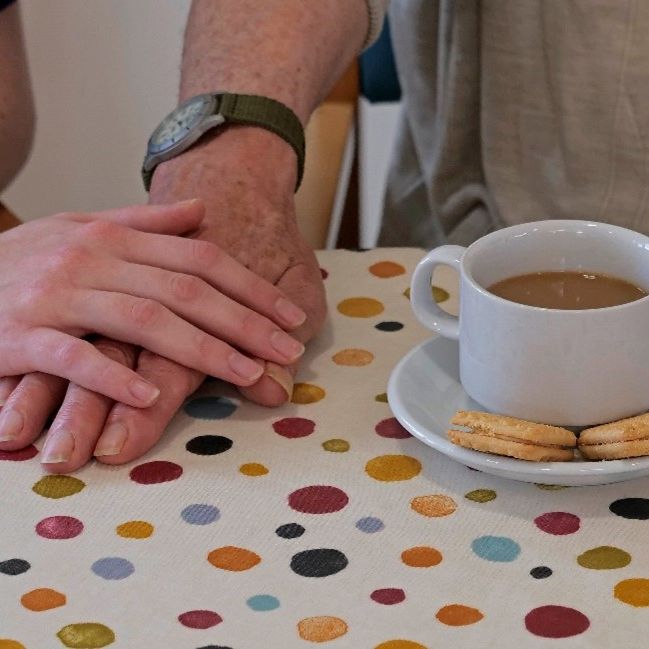
Supporting someone with dementia can feel daunting, but you're not alone. With the right understanding and approach, you can make a meaningful difference to their quality of life and ease some of the emotional weight you may be carrying, too. We're here to help guide and support you every step of the way.

When someone you love is diagnosed with dementia, you will have many questions. As a caregiver, you will want to know what the course of their disease may look like and how to prepare for its progression. One of the most important questions you are likely to have is how best to support a loved one as they adjust to life with dementia. These golden rules of dementia care can help as you support and care for someone with dementia.

Finding rewarding activities for dementia patients can be challenging but is far from impossible. In fact, it’s essential for keep a high quality of life for your loved one. Regular stimulating activities that foster connection and social interaction with others is vital for their mental, emotional and physical well-being.
With a little patience and creativity, you can make a person with dementia feel valued and create moments of joy, laughter and connection. Here are a few ideas and activities for dementia patients to get you started.